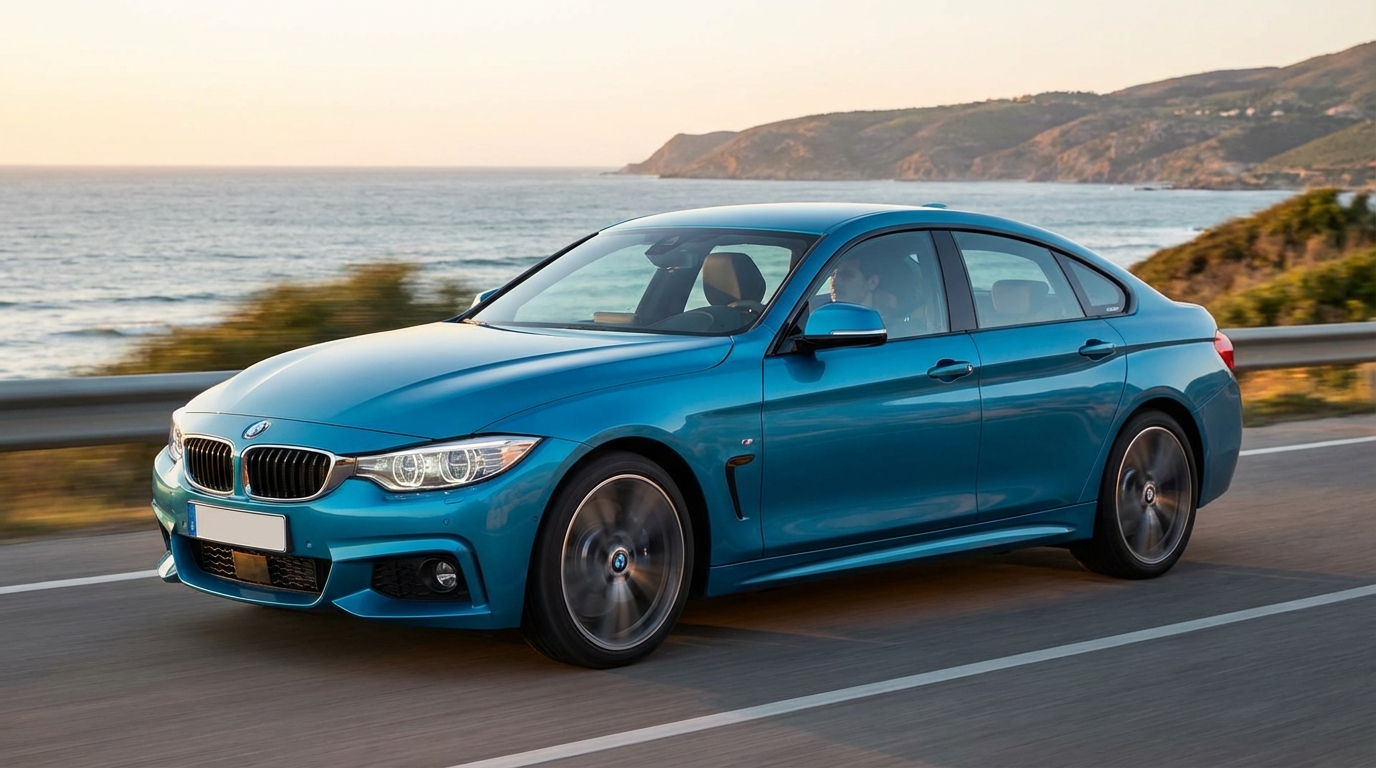
The BMW 4 Series Gran Coupe is undeniable automotive eye candy. With its swooping roofline, aggressive stance, and practical four-door layout, it occupies a sweet spot for drivers who desire sports car aesthetics without entirely sacrificing everyday usability. But in an era of fluctuating fuel prices and heightened environmental awareness, one crucial question is often asked before signing on the dotted line: How thirsty is this stylish machine?
Can a vehicle designed to prioritize driving dynamics truly deliver respectable fuel economy? In this post, we are popping the hood on the efficiency figures of the 4 Series Gran Coupe to see if it successfully balances premium performance with prudence at the pump.
The Secret Sauce: Smarter Tech, Not Just Smaller Engines
Gone are the days when performance figures were solely dependent on massive, gas-guzzling displacements. BMW has pivoted heavily towards smarter engineering to squeeze more miles out of every drop of fuel without diluting the driving experience. A key player in modern iterations of the Gran Coupe is the widespread adoption of 48-volt mild-hybrid technology.
This system utilizes an electric starter-generator to assist the combustion engine during initial acceleration and allows for much smoother coasting capabilities. While it won’t drive the car on electric power alone like a plug-in hybrid, it significantly reduces the combustion engine’s workload in fuel-intensive stop-and-go traffic, directly improving real-world MPG.
Analyzing the Engine Options
The Petrol Variants: Punchy yet Prudent
For those who prefer the smoother revving nature and lighter feel of gasoline engines, the core four-cylinder options (often designated as 420i or 430i depending on your market) offer a surprising blend of punch and frugality. Thanks to highly efficient turbocharging and advanced direct injection, these models generally return very respectable combined cycle figures.
- On open highways at steady speeds, they are remarkably efficient cruisers due to tall gearing.
- City driving will naturally see a dip in economy, but the auto start/stop systems are aggressive and effective in saving fuel at red lights.
The Diesel Champions: Long-Distance Masters
If high-mileage motorway commuting is your daily reality, diesel variants remain undisputed kings of efficiency in the 4 Series Gran Coupe range (market permitting). Models like the 420d are legendary for their ability to cover vast distances on a single tank, often exceeding official WLTP estimates during steady-state highway driving. The torque-rich nature of diesel means you don’t need to rev the engine hard to get up to speed, further conserving fuel.
Real-World vs. The Lab
It is vital to remember that official manufacturer figures are generated under controlled laboratory conditions. Your actual mileage will vary based on several critical real-world factors:
- Your Right Foot: Constantly exploring the car’s 0-60 capabilities in Sport mode will obviously drain the tank much faster than conservative driving.
- Drive Modes Matter: Utilizing BMW’s Eco Pro mode makes a tangible difference. It dulls throttle response slightly, shifts earlier, and can decouple the engine when coasting to maximize inertia.
- Aerodynamics: The Gran Coupe’s sleek shape isn’t just for looks; it cuts through the air efficiently at high speeds, significantly aiding highway fuel economy compared to boxier SUVs.
The Verdict
The BMW 4 Series Gran Coupe proves that you don’t necessarily need to buy a boring economy car to secure reasonable running costs. While high-performance M variants naturally prioritize power over ultimate efficiency, the core models—especially the diesels and mild-hybrid petrols—offer an impressive compromise.
It delivers the premium feel and engaging driving dynamics you expect from BMW, with fuel bills that are surprisingly manageable for a car in this premium segment. It turns out, you can have style with substance.