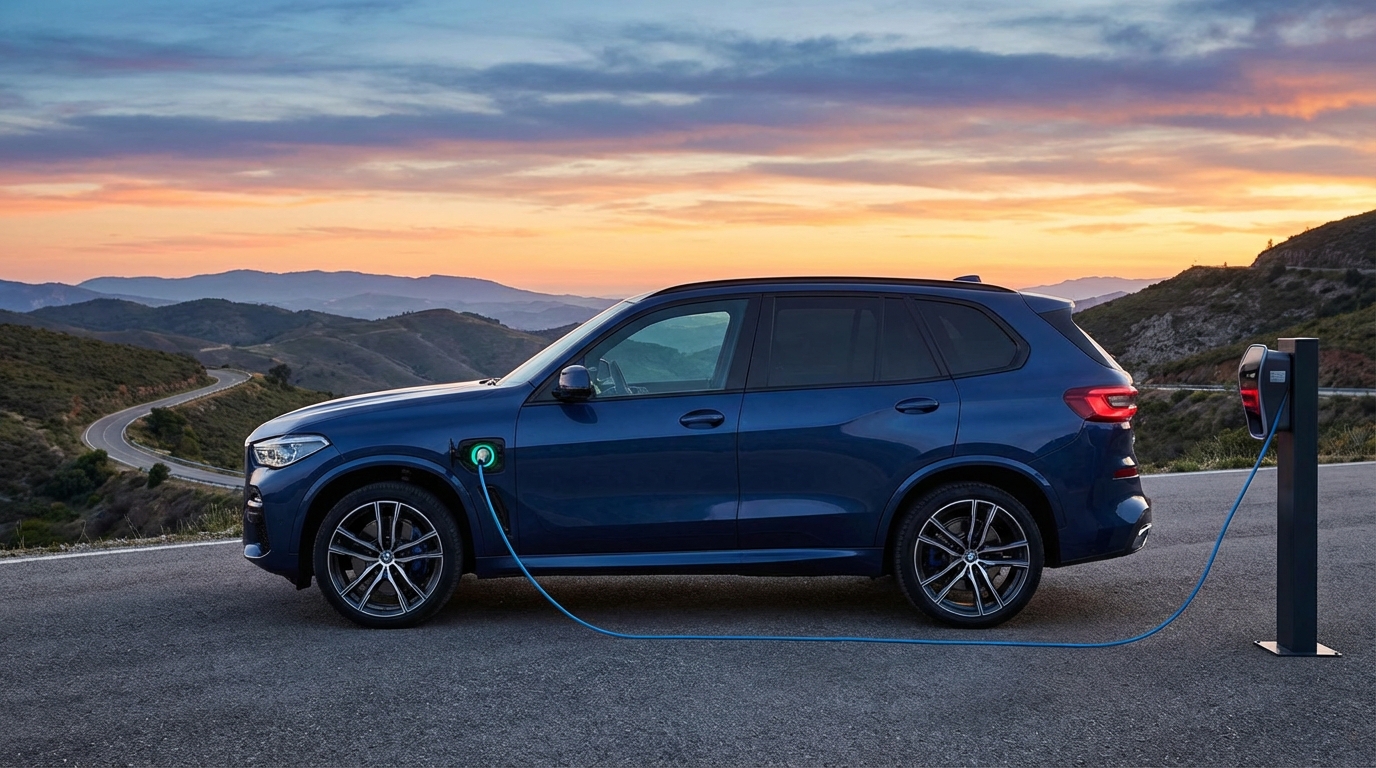
The luxury SUV market is increasingly embracing electrification, and sitting proudly at the forefront is the BMW X5 xDrive50e. As the impressive successor to the well-regarded xDrive45e, the 50e promises not just more system horsepower, but significantly more electric practicality.
For potential buyers of a plug-in hybrid electric vehicle (PHEV), one question towers above the rest: How good is the battery life really? In this detailed post, we are exploring the specs, real-world capabilities, charging nuances, and longevity of the battery powering BMW’s ultimate electrified driving machine.
The Specs: Bigger, Better, Further
BMW didn’t just tweak the previous model; they overhauled the energy storage system for the xDrive50e. It features a substantially larger lithium-ion battery pack located under the floor. We are looking at a gross capacity of nearly 29.5 kWh, with a usable capacity sitting roughly around **25.7 kWh**.
What does that capacity translate to on the road? The EPA estimates an impressive all-electric range of roughly **40 miles**. For European markets operating under the generous WLTP cycle, the estimates often exceed 60 miles. This isn’t just “drive to the corner store” range; 40 miles is enough to cover the daily round-trip commute for a vast majority of American drivers without burning a drop of gasoline.
Real-World Range: Managing Expectations
While official numbers are excellent benchmarks, real life involves traffic, hills, and weather. In optimal conditions—mild temperatures and mixed suburban driving—many owners report easily hitting that 40-mile EPA mark, and sometimes even surpassing it if driving conservatively in ‘Electric’ mode.
However, several variables will influence your actual battery mileage per charge:
- Temperature: Cold weather is kryptonite for lithium-ion batteries. Expect a noticeable drop in electric range during winter months as energy goes toward heating the cabin and keeping the battery pack itself warm.
- Driving Style: Heavy acceleration and high-speed highway cruising drain electrons faster than smooth city driving which maximizes regenerative braking.
- HVAC Usage: Blasting the A/C or maxing out seat heaters will pull energy directly from the high-voltage battery, reducing driving range.
Charging Speed: The Game Changer
Perhaps an even bigger improvement over its predecessor than the range itself is the charging speed. The previous 45e was limited to a slow 3.7 kW charge rate. The new X5 xDrive50e doubles that, supporting Level 2 AC charging up to **7.4 kW**. This is a significant quality-of-life upgrade that makes the larger battery manageable.
What do these speeds mean for your daily routine?
- Level 2 (240V home charger or public station): With a 7.4 kW charger, you can fully replenish the large 25.7 kWh usable battery from flat in roughly **4 hours**. This makes overnight charging a breeze and even allows for a substantial top-up during a workday or a long dinner.
- Level 1 (Standard 120V household outlet): While possible in a pinch, charging this massive battery on a standard outlet is agonizingly slow. Expect it to take well over 24 to 30 hours for a full charge. A Level 2 home installation is highly recommended for 50e owners to maximize the vehicle’s potential.
Long-Term Durability and Warranty
Concerns about battery degradation over several years of ownership are natural. Fortunately, BMW engineers these packs for the long haul. By maintaining a significant “buffer” between the gross capacity (29.5 kWh) and usable capacity (25.7 kWh), the battery management system protects cells from stressful deep discharges and being charged to 100% absolute capacity constantly.
Furthermore, BMW provides peace of mind by backing their PHEV batteries with a robust warranty. This typically covers roughly **8 years or 80,000 miles** (terms may vary by region and sometimes extend longer in states like California) against defects and excessive degradation.
Final Thoughts
The BMW X5 xDrive50e’s battery life is more than just a spec sheet number; it transforms how you use the vehicle. With a real-world, usable range of around 40 miles and vastly improved charging speeds, it operates effectively as a pure electric luxury vehicle for daily tasks, while retaining the soul and long-distance capability of a powerful BMW inline-six engine whenever needed.